When Lilly Garrard was born, someone told her Dad, “it is a dish washer this time, you must do better next.” But Lilly did much more than wash dishes — she became a nursing school graduate who served in the Canadian Army Medical Corps in the First World War.
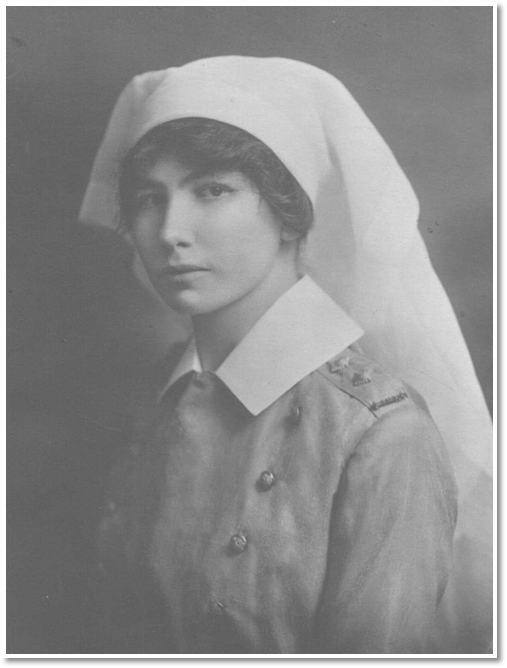
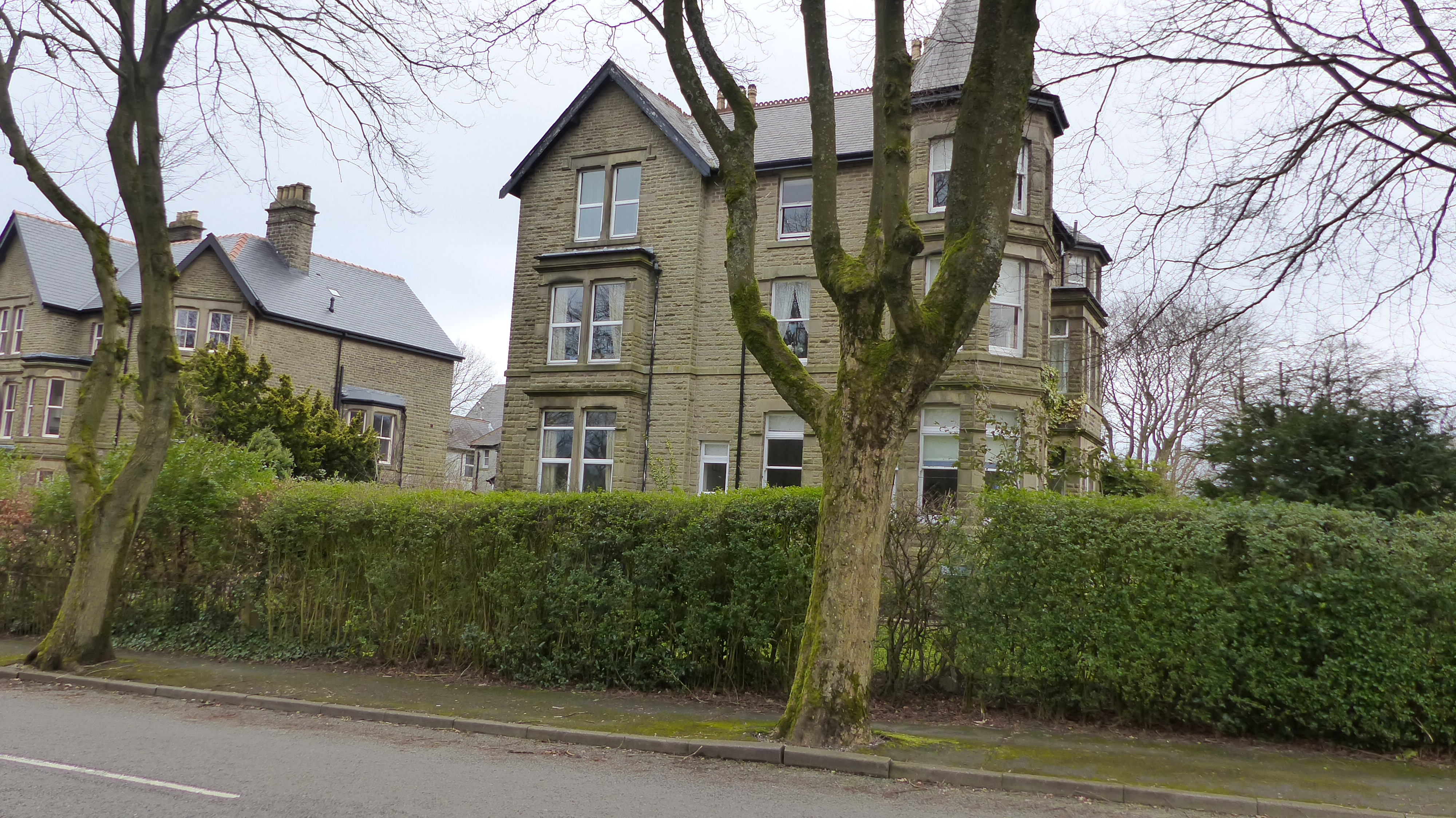
Lilly Garrard was the daughter of Frank and Annie Garrard, close friends to my Grandpa Harold Monks in Tofino B.C. While reading Frank Garrard’s memoirs at the B.C. Archives, I discovered the story of his eldest daughter Lilly, who had become a nurse, and I wanted to find out more about her WWI nursing experiences. My explorations led me to a trip to Buxton, Derbyshire, the site of the Granville Canadian Special Hospital where Lilly had nursed Canadian soldiers.
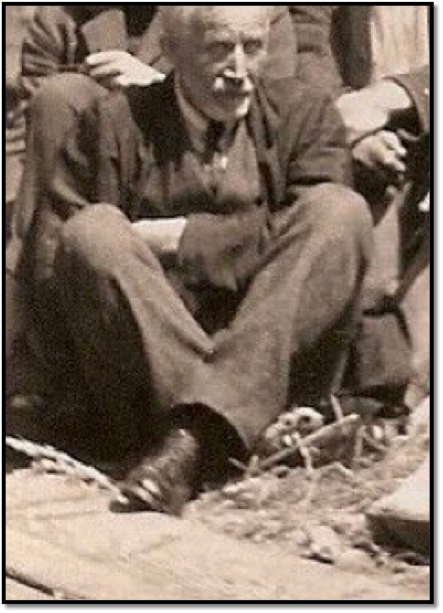
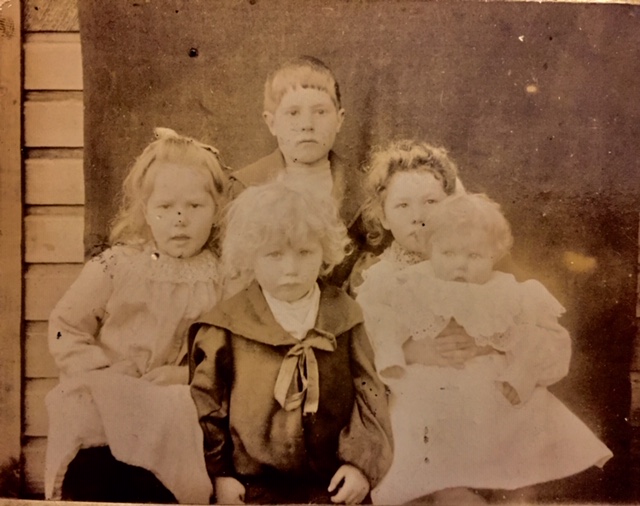
Lillian Annie Garrard was born in Comox in September 1890, the eldest daughter of Francis Charles (“Frank”) and Annie Garrard, recently arrived from England. Over the next twenty years, Lilly followed her adventurous family (four sisters and three brothers) to Nanaimo, Alberni, Nahmint River, Lennard Island lighthouse, Vargas Island and then to Tofino, where Frank Garrard became the telegraph operator and post master in 1910. The Garrard children had an active outdoor life, with many near-death experiences in the wilderness and on the high seas.
When the family was ranching on the Nahmint River off the Alberni Canal, Lilly saved her baby sister Olive from drowning. Her dad Frank later wrote: “We went one day to the rapids at the head of tidal water on the river…the children were amusing themselves by paddling about in the running water, when Olive [no more than 2 years old], who was in the shallow water at the head of the rapids, fell and the quick water rolled her over and over until she reached the lower part of the rapid, just above the deep water, but Lilly who was paddling about there, went into the running water and caught her before being carried into the deep water below.”
Not long after, the Garrards were flooded out and moved back near Alberni, where Lilly and Burdie Garrard walked four miles to and from school. “Once while the children were walking from Alberni in the dusk of the evening on a winter’s day, they were followed by a cougar.”
In 1904, Lilly had finished school and helped out her family in their new adventure on Lennard Island, where her Dad was the lighthouse keeper. One day Lilly watched her brother Noel and sisters Ethel and Olive overturn in their canoe. All were saved, including three cats on board! Another time, she and her Dad had a scary incident when they were out in a boat in a gale. In 1909, Lilly catered for her Dad and brothers as they cleared land and built a house on Vargas Island. Not surprisingly, there were more watery adventures — read about Lilly and Burdie Garrard’s ride on the waves!
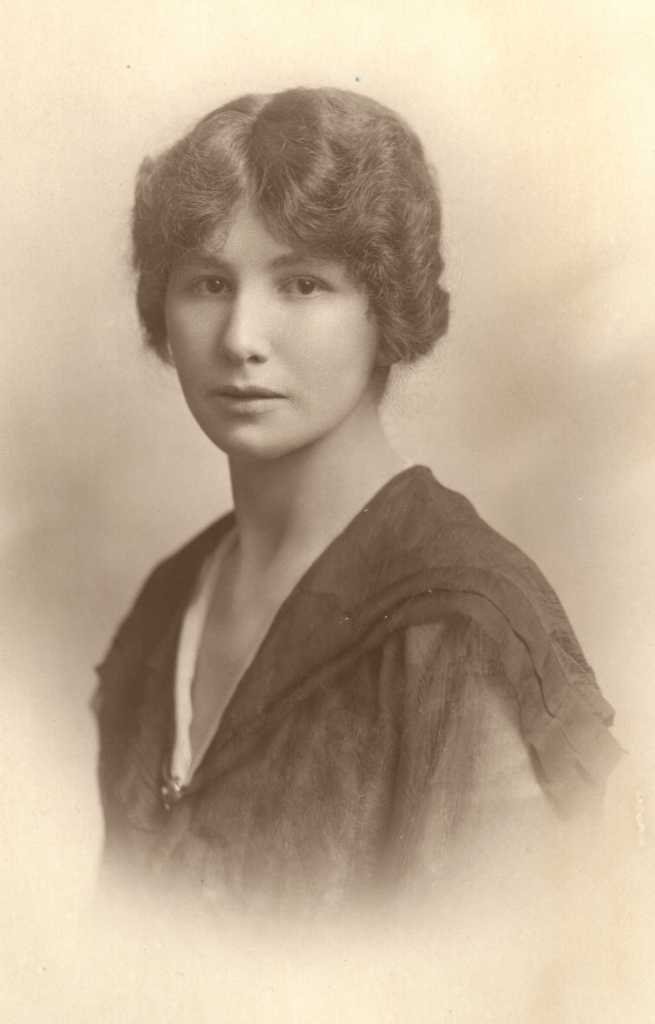
Once the Garrards had (finally) settled in Tofino in 1910, Lilly started helping Dr. Melbourne Raynor at the local Methodist Mission. Frank Garrard later wrote in his memoirs: “She was beginning to consider nursing as a career, which in the course of time we helped her commence…” In August 1911, Lilly entered the School of Nursing at St. Joseph’s Hospital in Victoria. She was financially assisted by her parents, Dr. Raynor, and Father Maurice of the Christie Industrial School. Frank Garrard recalled that “besides the initial expenses, we paid during the first year or so, about ten dollars a month, towards her expenses, pocket money etc.”
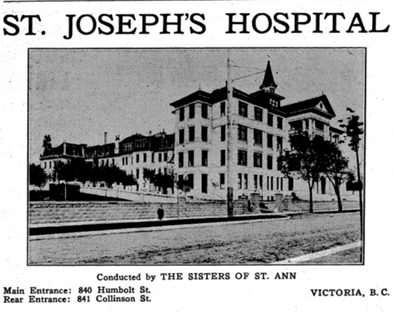
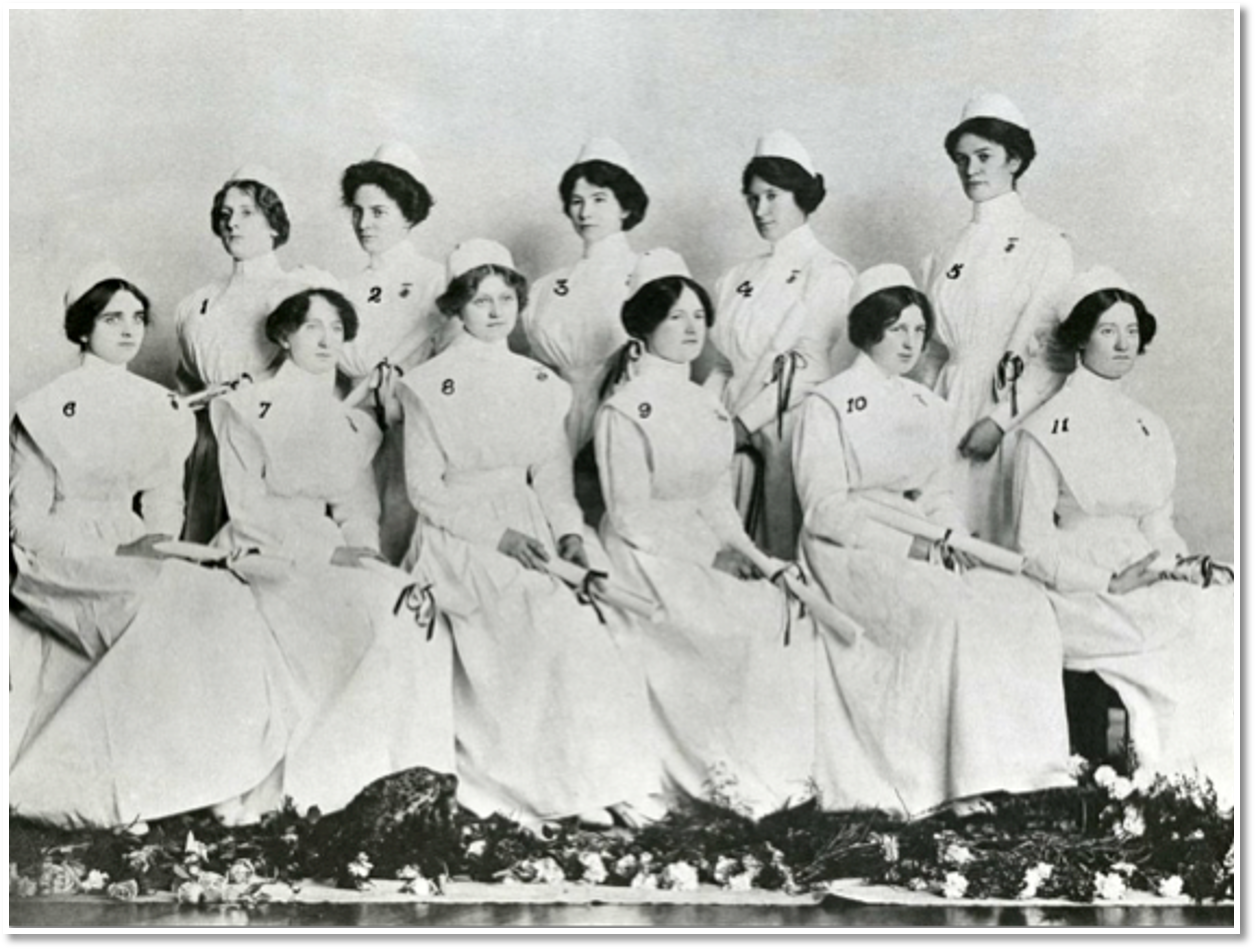
Lilly’s parents received an invitation to her May 4 1914 graduation ceremony but they were unable to attend. There was a far distance by the coastal steamship that ran every 10 days to Victoria, and it was often hard for Frank Garrard to get away from the telegraph and post office.
Lilly Garrard was one of twenty-eight St. Joseph’s Hospital nursing school graduates who later served with the Canadian overseas forces. On May 5 1917 Lilly enlisted with the Canadian Army Medical Corps.
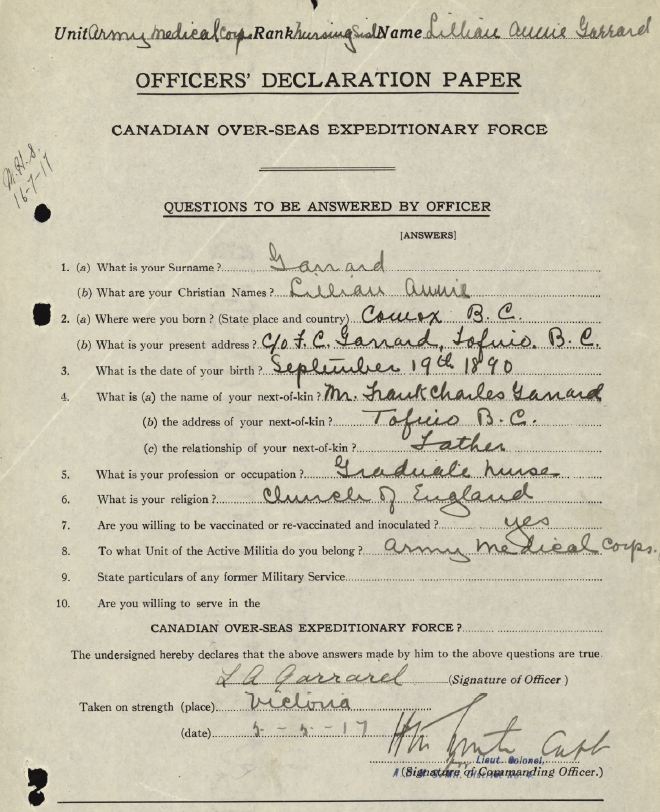
She arrived in England on July 8 1917 and soon transferred to the Ontario Military Hospital in Orpington, Kent (Greater London). The Ontario Military Hospital was “one of the most advanced military hospitals in the world at that time and was paid for by the Province of Ontario at a cost of $2 million.” (Ontario Archives online exhibit about the Ontario Military Hospital) In September 1917, the Ontario Military Hospital was renamed the No. 16 Canadian General Hospital.
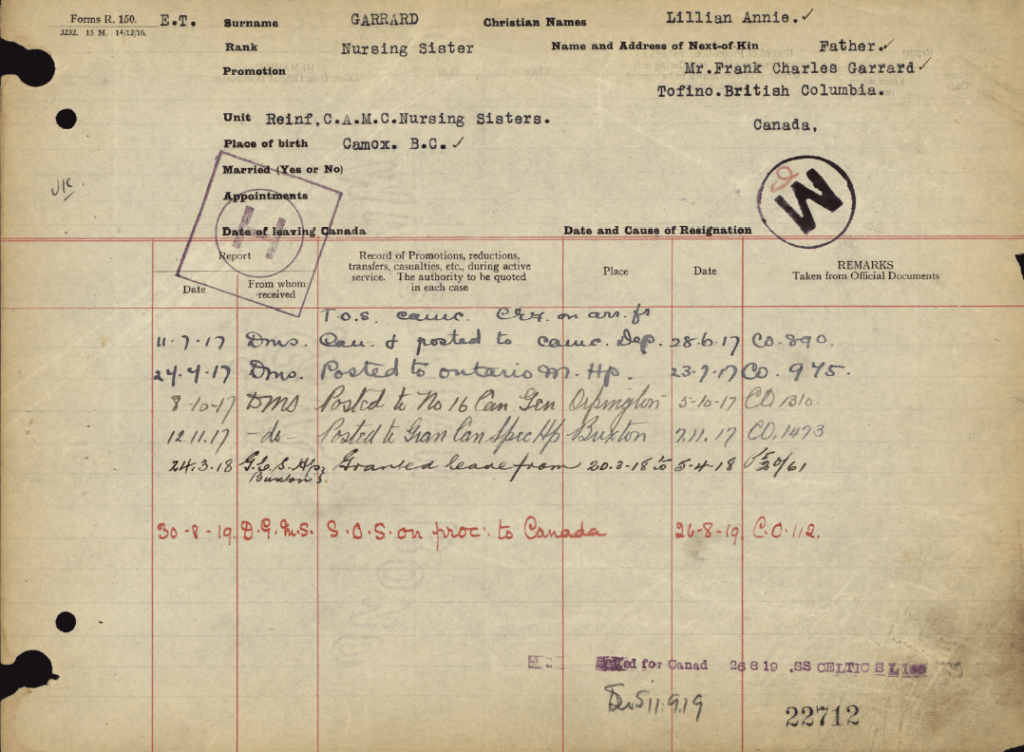
Lilly was taken on strength on July 23 1917. She would have immediately been busy. The War Diary for the No. 16 Canadian General Hospital shows that on July 27 1917 a convoy of 170 stretcher cases came from France. On July 29 1917 a convoy of 190 stretcher cases came from France. On July 31 1917, there was heavy rain. During the month of August, 1408 overseas cases (including 442 Canadians) and 64 local troops were admitted to the hospital. A band from the Reserve Battalion was attached to the hospital for one week. Band concerts were given every morning and afternoon to patients.
Letters to Frank Garrard give more details about Lilly’s nursing experiences. Lilly’s brother Noel wrote to his Dad and mentioned Lilly being stationed at the Ontario Military Hospital, Kent and rather hoping to change roommates as a particular friend of hers was there. Noel said “she will be lucky if she can, as they don’t seem to study one’s wishes, either in the Army or Navy.”
In August 1917, Lilly had a visit from her brother Noel and also a chance encounter with a patient — Murdo Mcleod from Tofino! Murdo was having a “plastic operation” (nose reconstruction), a result of an injury in October 1916 at Courcelette. Murdo later wrote to Frank Garrard: “met two of your family namely Sister L Garrard and Noel, Noel was on leave and had called to see his sister, what a surprise I got when I met Lilly, didn’t know she was over on this side of the water, was awful glad to meet them…”
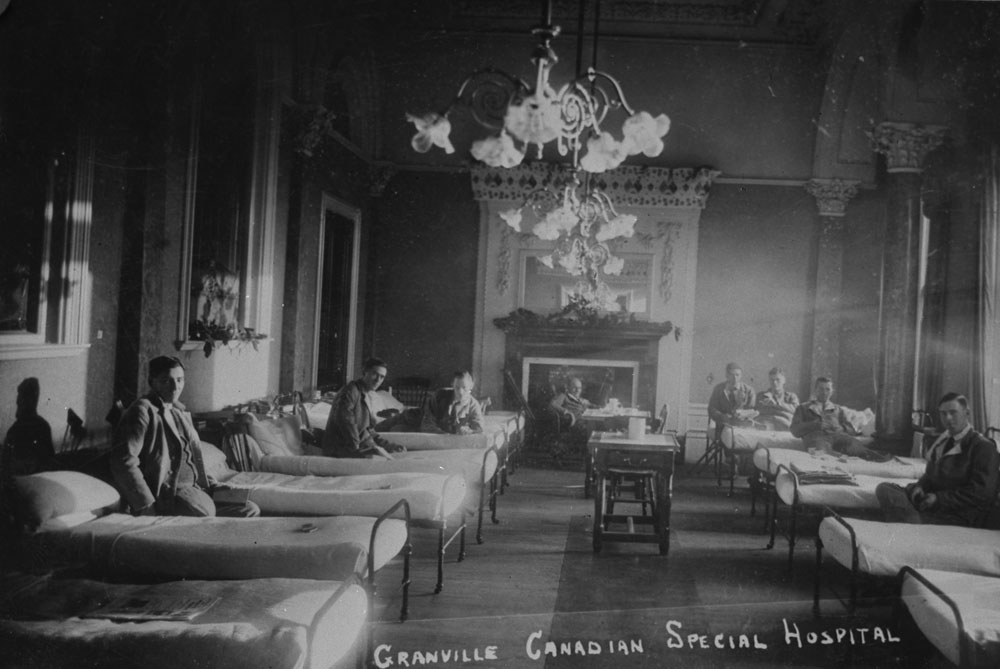
The War Diary for No. 16 Canadian General Hospital on November 7 1917 notes: “Struck off Strength….N/S L.A. Garrard…proceeded for duty at Granville Canadian Special Hospital, Buxton.” This hospital had recently moved to Buxton after it had been bombed in Ramsgate, Kent during German air raid on August 22 1917.
Lilly’s grandmother in Ealing was glad she had been moved away from Greater London. Frank Garrard later noted: “two letters from Mother on the 5th and 10th November 1917. She mentions having been in touch with Lillian who was then at Buxton Derbyshire and Mother thought she was safer there than at Orpington. She says ‘the air raids keep us on the alert, to us they are only an excitement but to London and its near suburbs a terrifying trial.’”
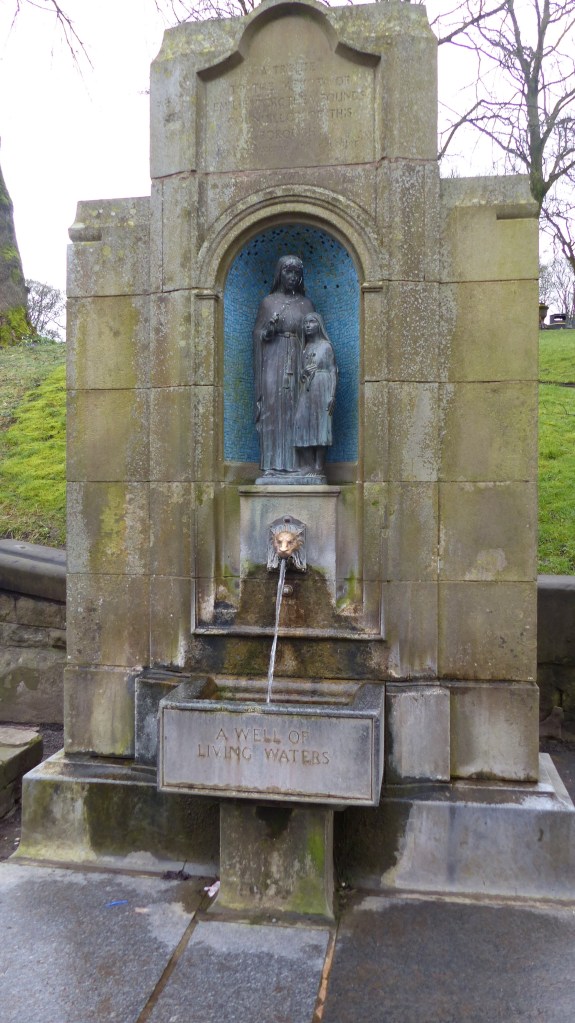
Buxton was a renowned spa town in the Peak District, known for its curative waters. Lilly wrote to her mother it was “like one big park like summer resort or rather health resort, they have the thermal baths and everything for a good easy time, with many hotels and hospitals.”

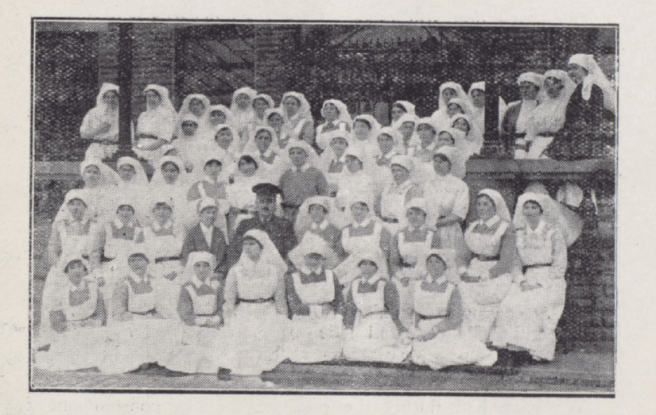
Lilly worked at the Granville Canadian Special Hospital from November 1917 to July 1919. This image below comes from the March 16 1918 Canadian Hospital News, a magazine of the Granville Canadian Special Hospital. Lilly can be seen sitting in the front row, second from the right.
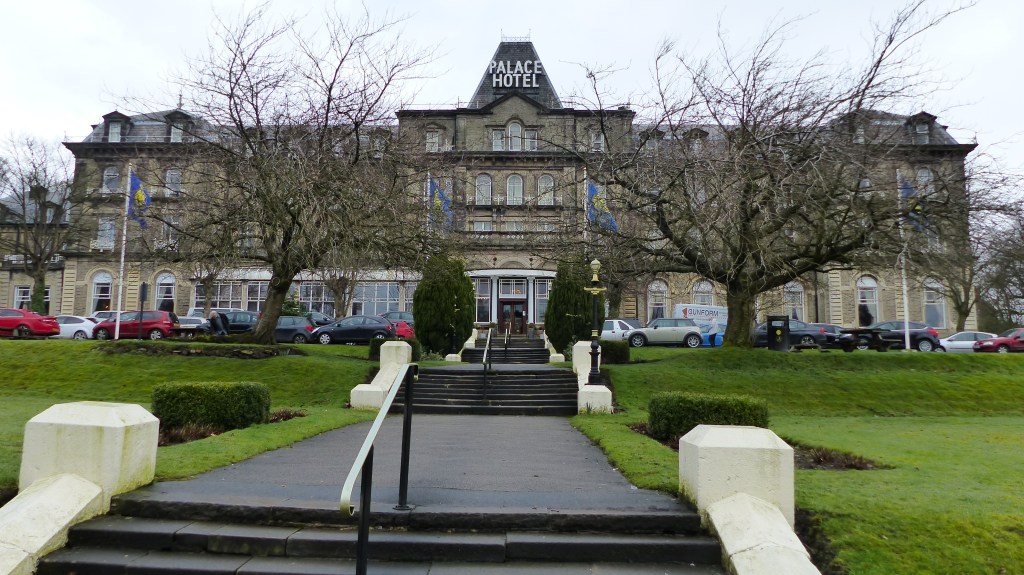
The Granville Canadian Special Hospital was a primarily a rehabilitation hospital for amputation and shell shock cases. The hospital — 1600 beds — had taken over local hotels vacated because of the war-time drop in tourism.
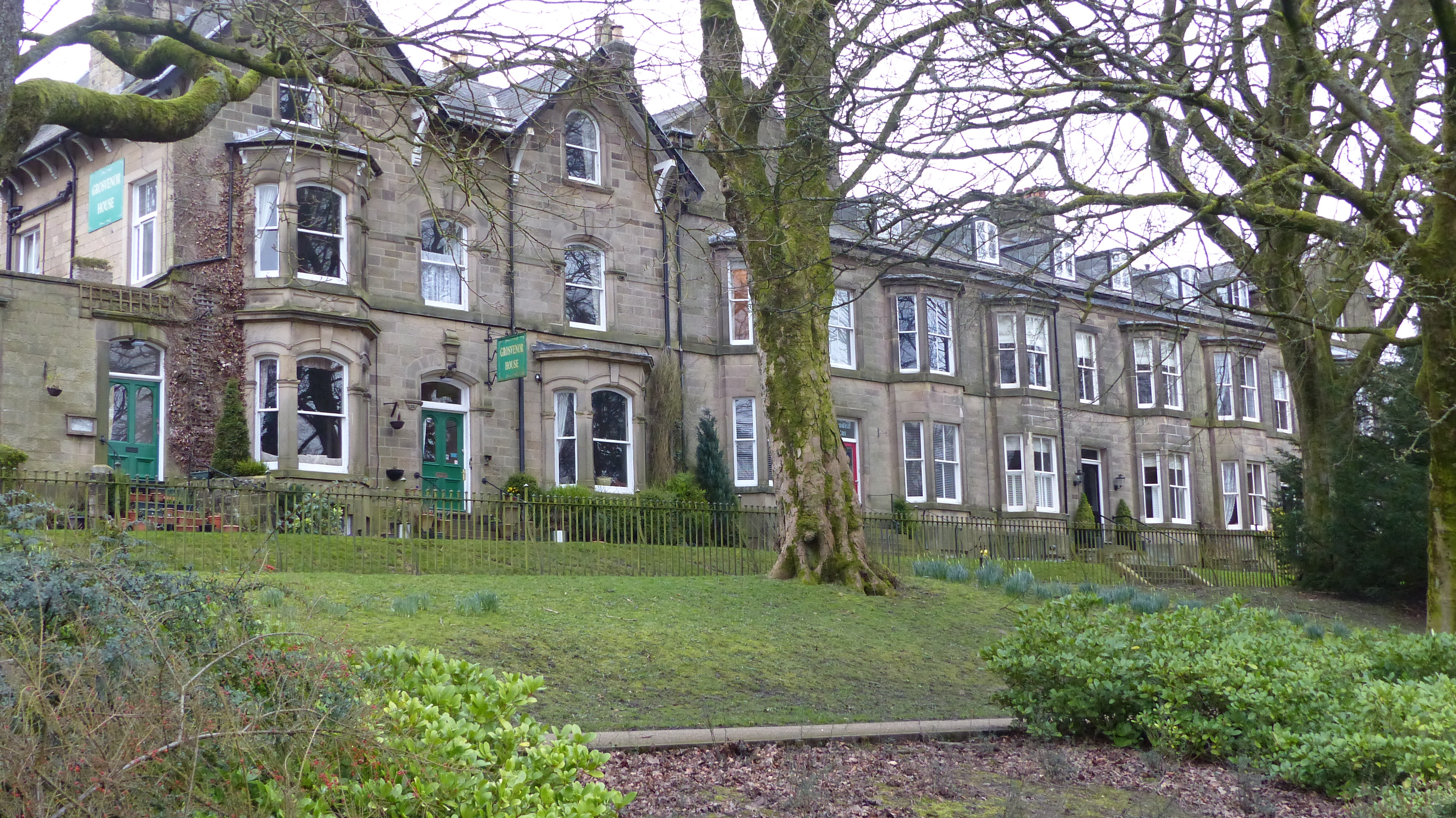
By Mother’s Day 1918, Lilly wrote to her mother that her work was very heavy just then. Although she had not much sleep lately, “fresh air is the main thing, one can’t keep up without it, I found out now.” Lilly was going to move her bed right into the window. This comment about fresh air may have been in reference to her living quarters. Reports from the War Diary for the Granville Canadian Special Hospital show that nursing sisters complained about their accommodation in the Grosvenor Hotel, where it was cold and damp and there was “an unpleasant odour of escaping gas.”
Lilly also noted that some of the other nurses were going in for golf, but it was “too much exercise for me for the feet.” However, Lilly was able to go horse riding. She told her mother that she was going for a ride that evening for fresh air, saying “it is a treat to be able to get the air and not have to walk, our feet get so tired at the end of the day so that it is not much pleasure walking.”
The nurses held dances but Lilly didn’t enjoy them. She felt that a dance Wednesday evening was enough and far too much. They were always short of girls, she did not know where all the officers came from. It was too crowded for pleasure, “I go and feel it is a duty.” (Lilly’s great-niece Marg has noted that Lilly “was a woman of few words, only said significant comments”, so having to flirt with officers after a long day on the hospital wards was probably not that enjoyable!)
Yet, despite the complaints, Lilly must have been doing well. In November 1918, Lilly’s Uncle Will wrote to Frank Garrard, who reported: “Lilly was in charge of two wards containing 80 beds, so he says she had definitely demonstrated to the ‘Tyees’ that she is a good nurse.”
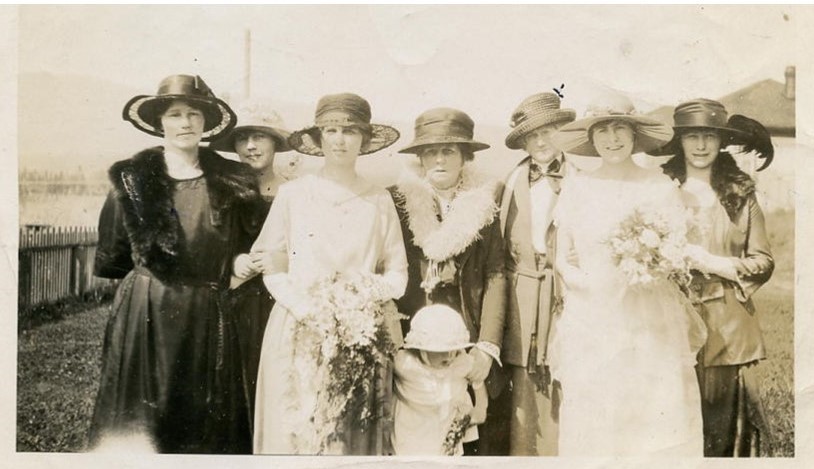
Nursing Sister Lillian Annie Garrard was demobilized in September 1919 and returned to British Columbia. Her homecoming was bittersweet. Just as she was going overseas, her brother “Burdie” was returning to Canada. He spent the next two years in Canadian hospitals dying of tuberculosis. Lilly arrived back in time to spend a few weeks with Burdie at Balfour Military Hospital before his death. (Read about Burdie Garrard’s war experience). Lilly also had time to re-connect with her sisters, who had also been busy during the War. Her sister Ethel was the Dominion telegraph operator in Alberni and her sister Olive was the assistant telegraph operator in Tofino. Here’s the family re-united at Olive’s wedding.
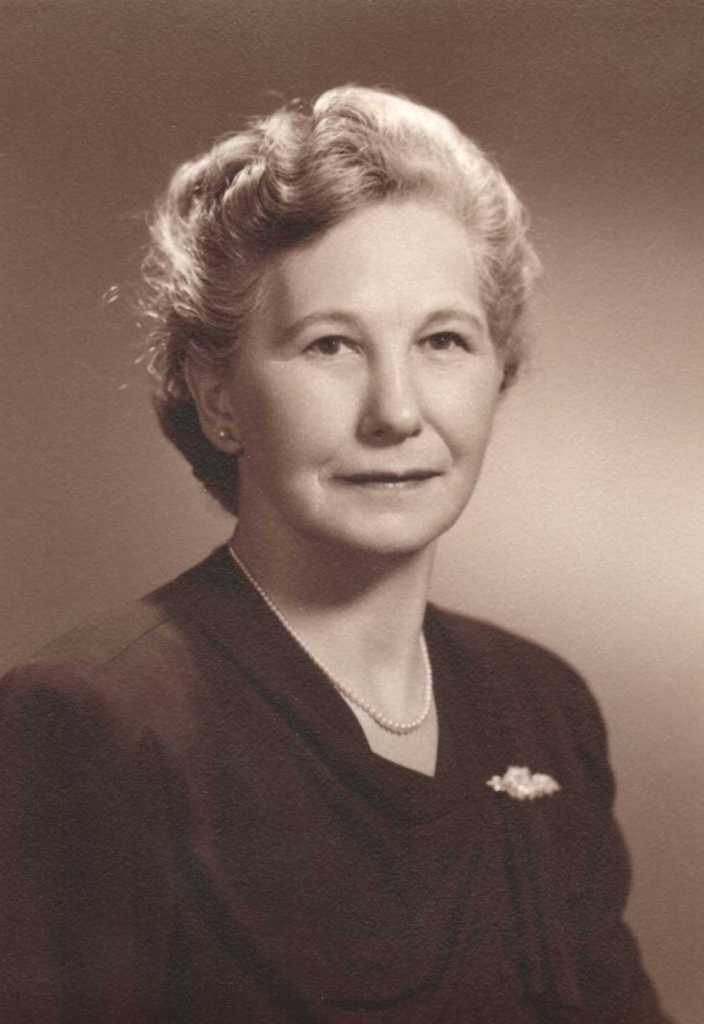
After the war, Lilly made a nursing career in California, including 25 years at Alta Bates Hospital in Berkeley. She spent her summers at her property at Sproat Lake near Port Alberni, where she loved going off trout fishing in her beautiful old clinker style rowboat. She also hunted with her brothers in law and was “pretty capable in the woods”, recalls her great-niece Marg. Her nephew and great-nieces were on the property next door. Great-niece Colleen fondly recalls ‘Aunt Lil’: “She loved spending her summers there and I always looked forward to her arrival as she always brought us something cool from California.”
After retirement in 1960, Lillian Garrard moved back to Vancouver Island and spent 5 months a year at Sproat Lake, wintering with her sisters in Victoria. Although her eyesight declined and she finally became blind, she remained independent and continued going to the lake for summers until she was 95 years old. Lillian Annie Garrard died aged 96 in November 1986. Great-niece Colleen says: “she was an incredible hardy and capable woman, not surprising when you know the history of how those kids grew up on the west coast.”
Lilly’s military service was not forgotten. In January 1921, Lilly was accepted as an honorary member of the Clayoquot Sound Branch of the Great War Veterans Association (later Royal Canadian Legion) in Tofino. (See “Veterans Helped Tofino Grow” by Walter Guppy, Victoria Daily Colonist November 7 1976) Lt. Nursing Sister Lillian Annie Garrard is buried in Port Alberni’s Greenwood Cemetery Field of Honour (Veteran’s Section). Her headstone reads “In Arduis Fidelis”, Faithful in Adversity, the motto of the Royal Army Medical Corps.
Thank you to Colleen Garrard, Lilly’s great-niece, for sharing stories about her “Aunt Lil” in her later years at Sproat Lake. Thank you to Margaret Stacey, Lilly’s great-niece, for sharing portraits from her collection.
Details of Lilly’s war time experiences come from the digital records at the Library and Archives Canada: Canadian Expeditionary Force service files, Official War Diaries, Canadian Hospital News. Frank Garrard quotes and letters quoted come from Frank Garrard’s memories written in the early 1940s, copy in the British Columbia Archives.
The photograph of Frank Garrard comes from my Grandpa Harold Monks Sr’s photo album. Harold was a close friend of the Garrard family in the 1920s-40s.
Related Stories
A Motor Car for the Saanich Nurses – Follow the intrepid Victorian Order of Nurses as they travel around rural Saanich in the WWI era
West Coast Nursing – Evelyn Wigmore Morrison – Nursing experiences in small coastal hospitals at Esperanza and Tofino in the 1940s and 1950s
 Stephanie Ann Warner